Under-sink RO
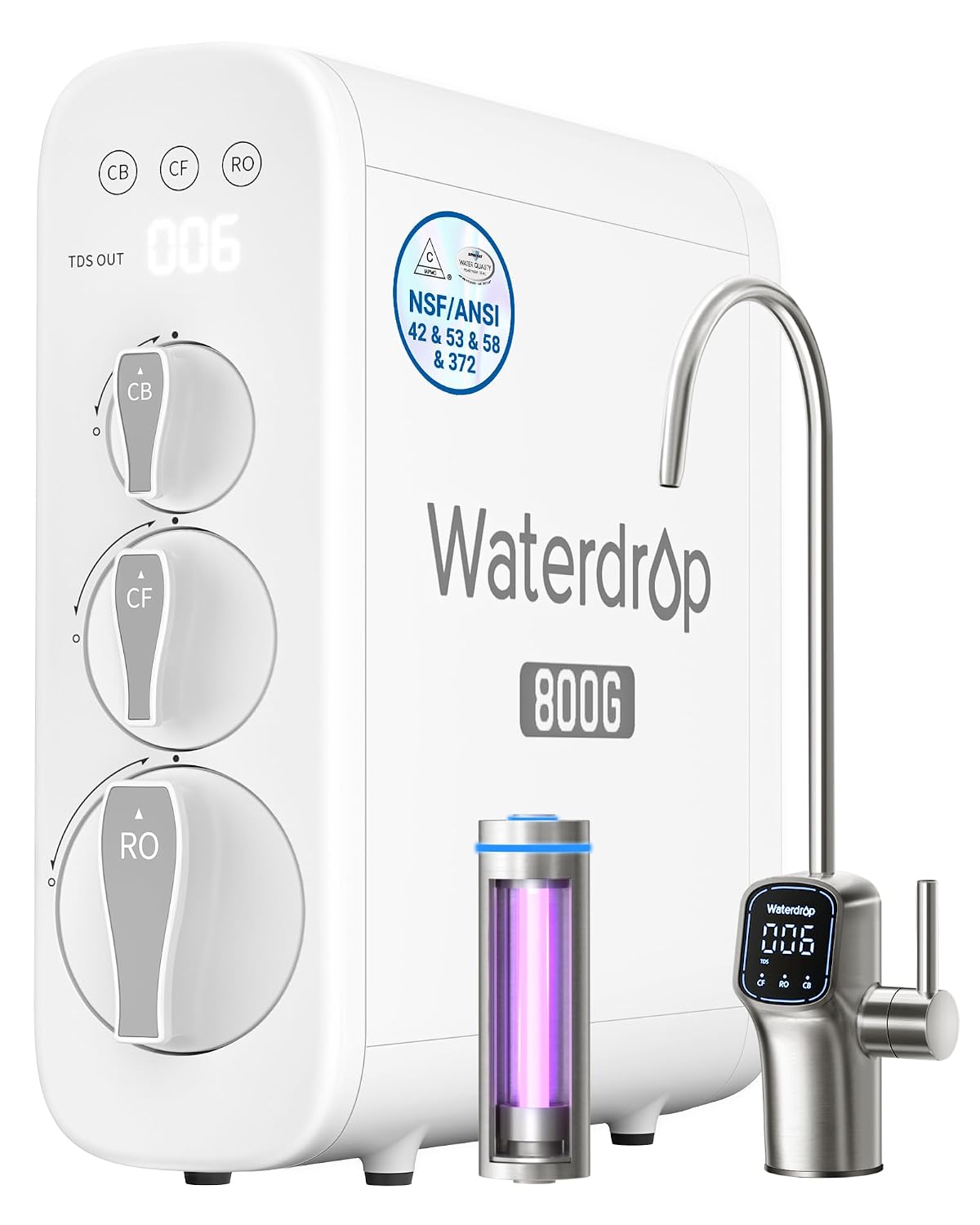
Waterdrop · Model G3P800
Waterdrop G3P800
A high-capacity 800 GPD tankless reverse osmosis system for busy home kitchens.
800 GPD7 stages3:1
$799last known
System details
We compared hundreds of water filters and systems. These 17 made the shortlist. Compare under-sink and countertop reverse osmosis systems, mineralizers and shower filters. Start by checking your water.
A high-capacity 800 GPD tankless reverse osmosis system for busy home kitchens.
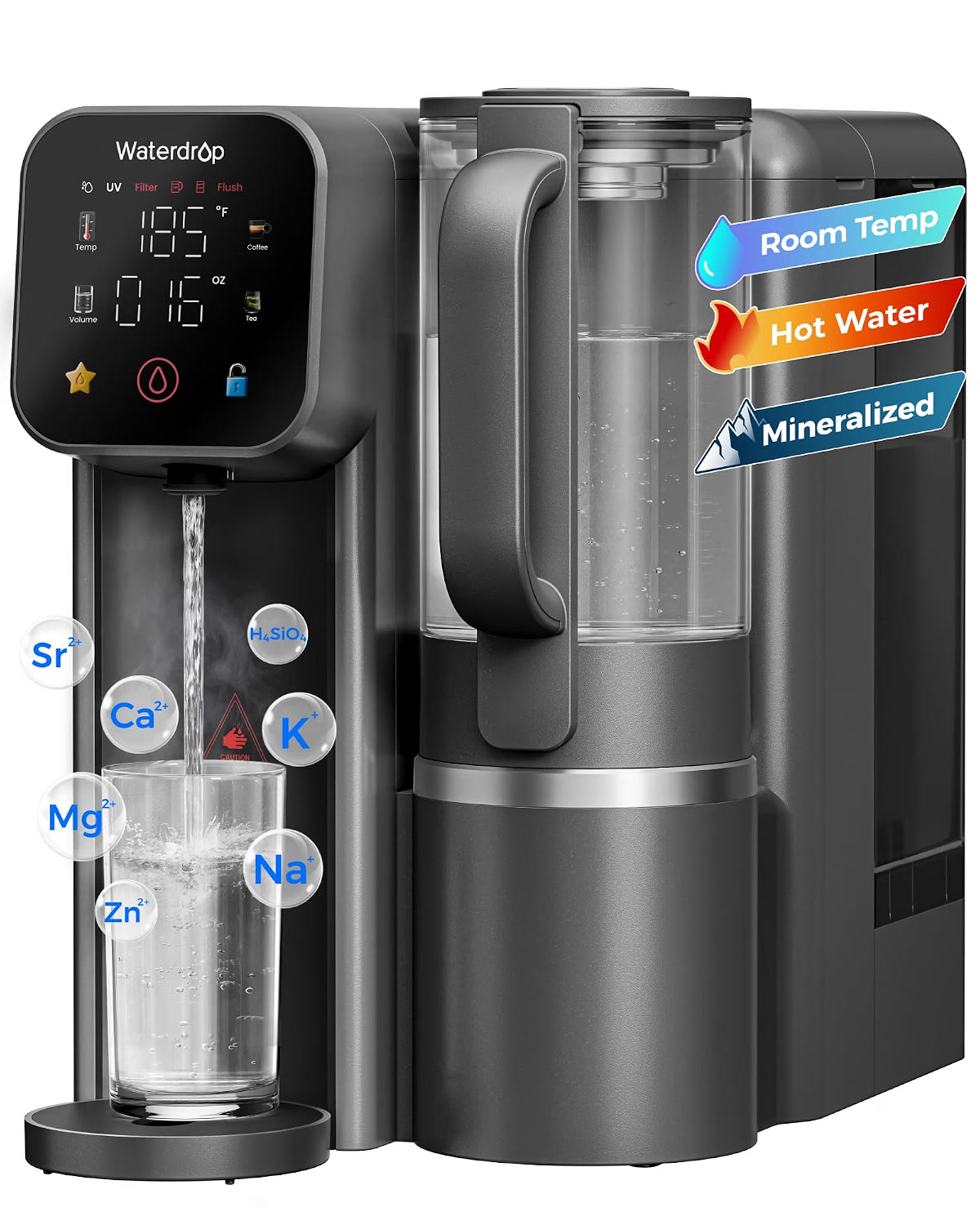
A countertop reverse osmosis system with hot water and mineralization.
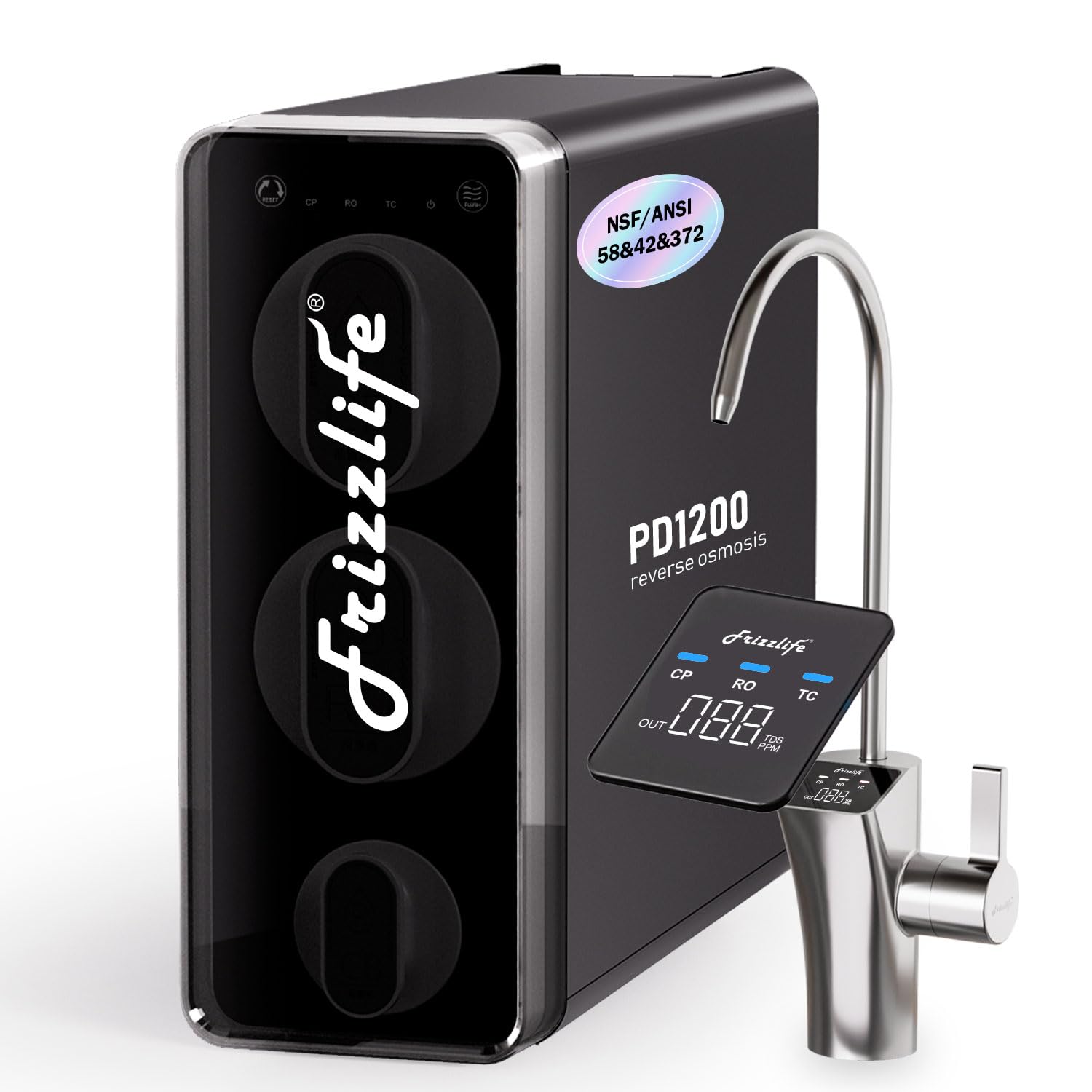
A 1,200 GPD tankless reverse osmosis system for high filtered-water demand.
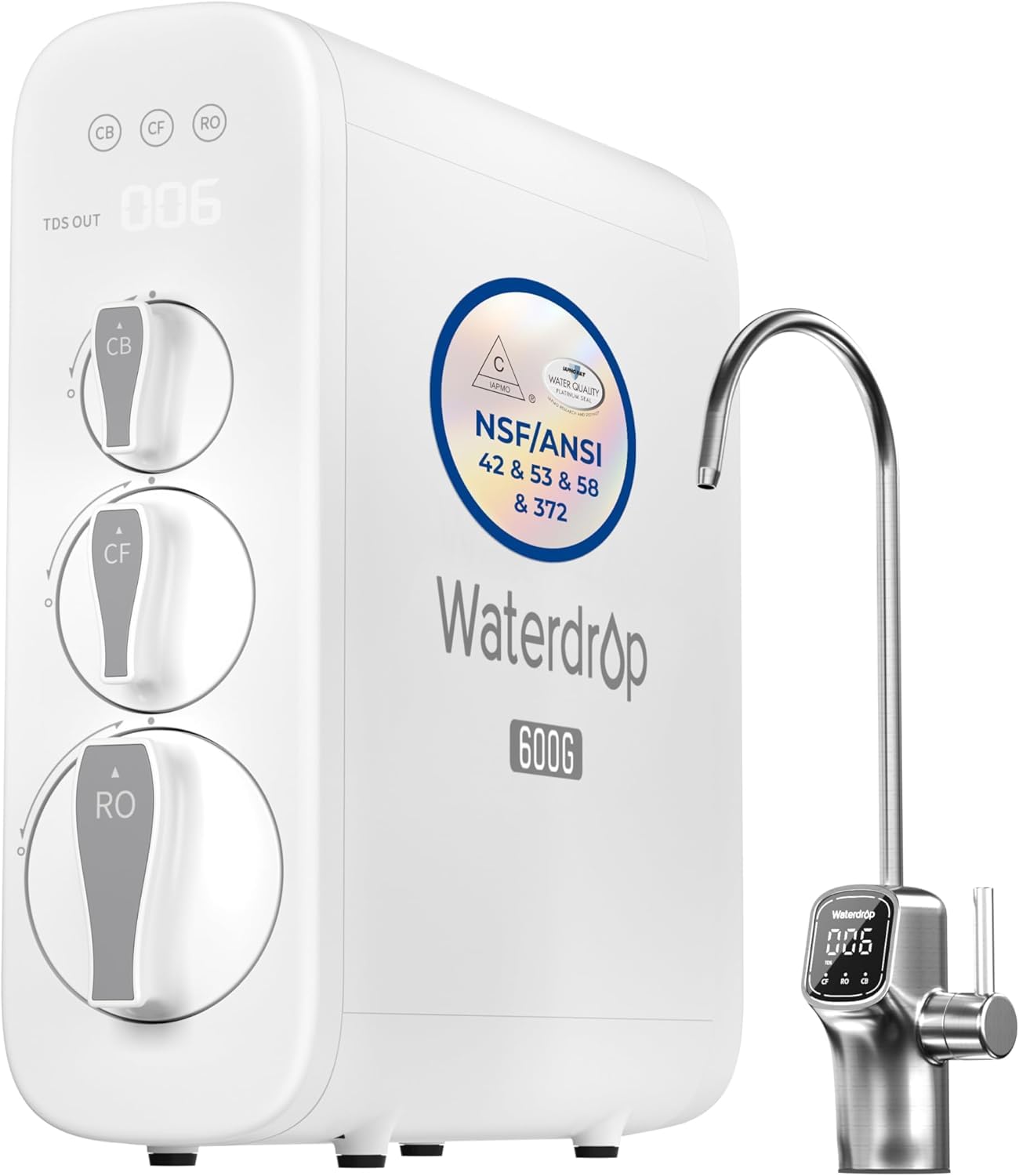
A compact 600 GPD tankless reverse osmosis system for everyday under-sink filtration.
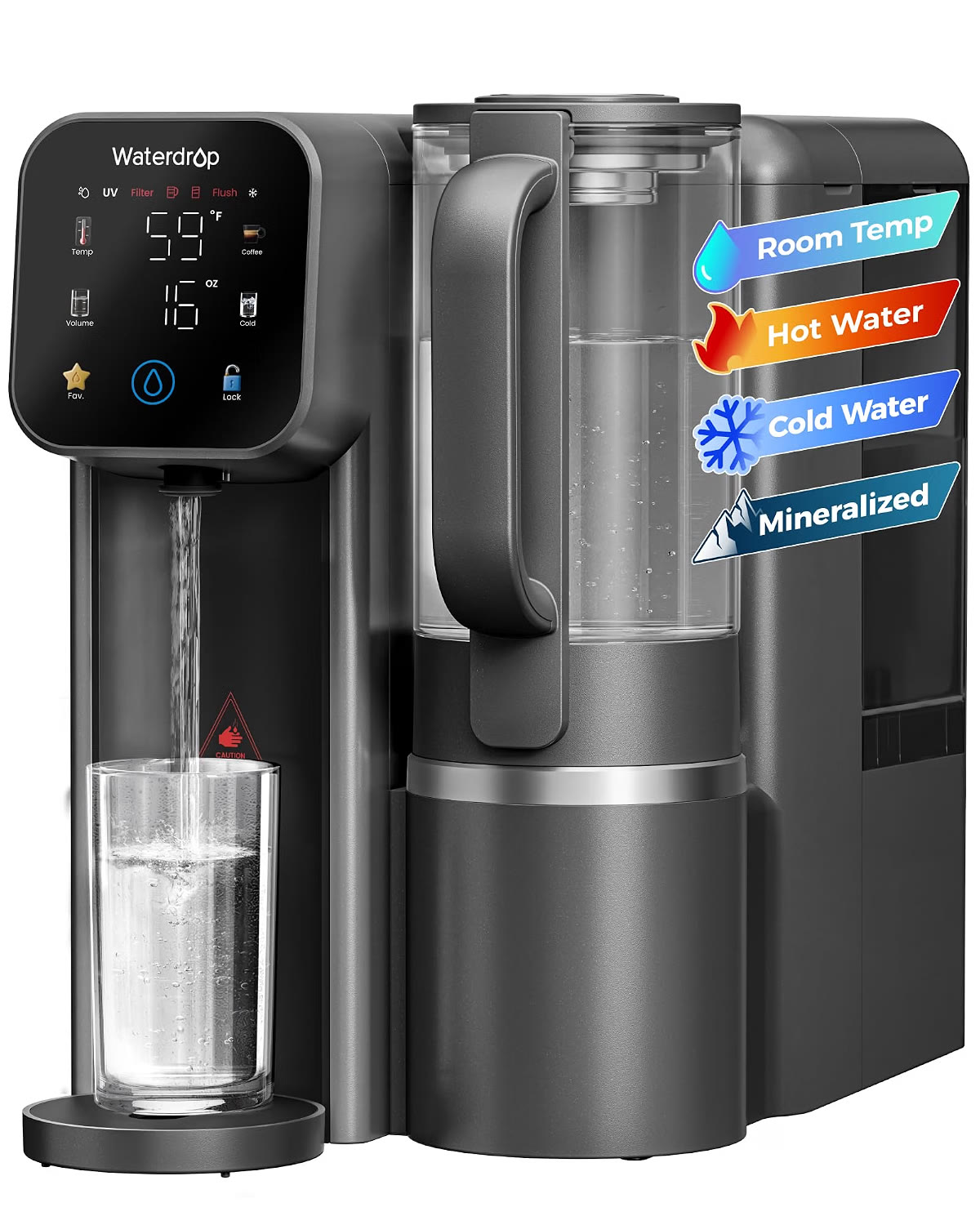
A countertop RO dispenser with cold, room-temperature and hot water plus mineralization.
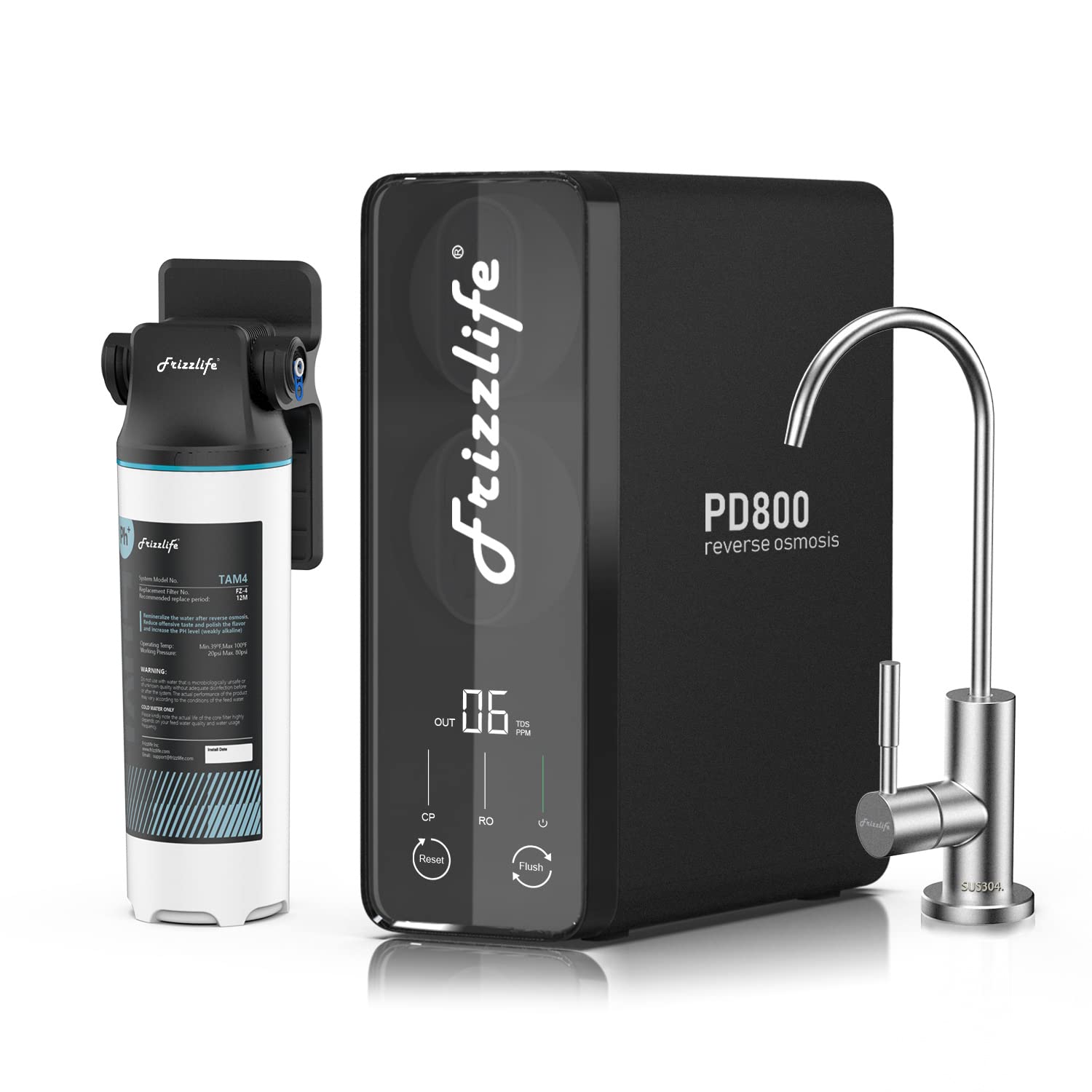
An 800 GPD under-sink RO system paired with a TAM4 mineralizer.
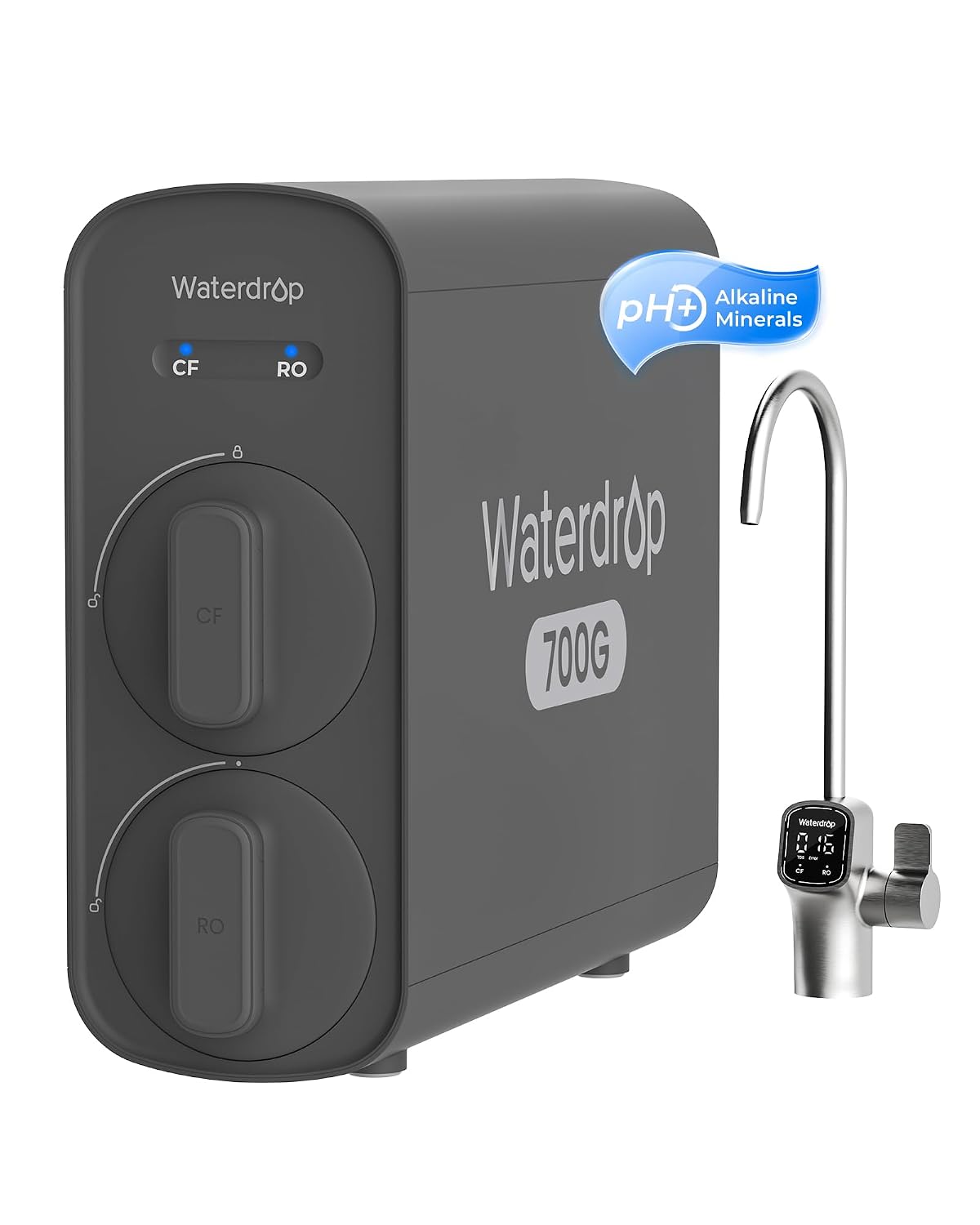
A 700 GPD alkaline reverse osmosis system with built-in mineralization.
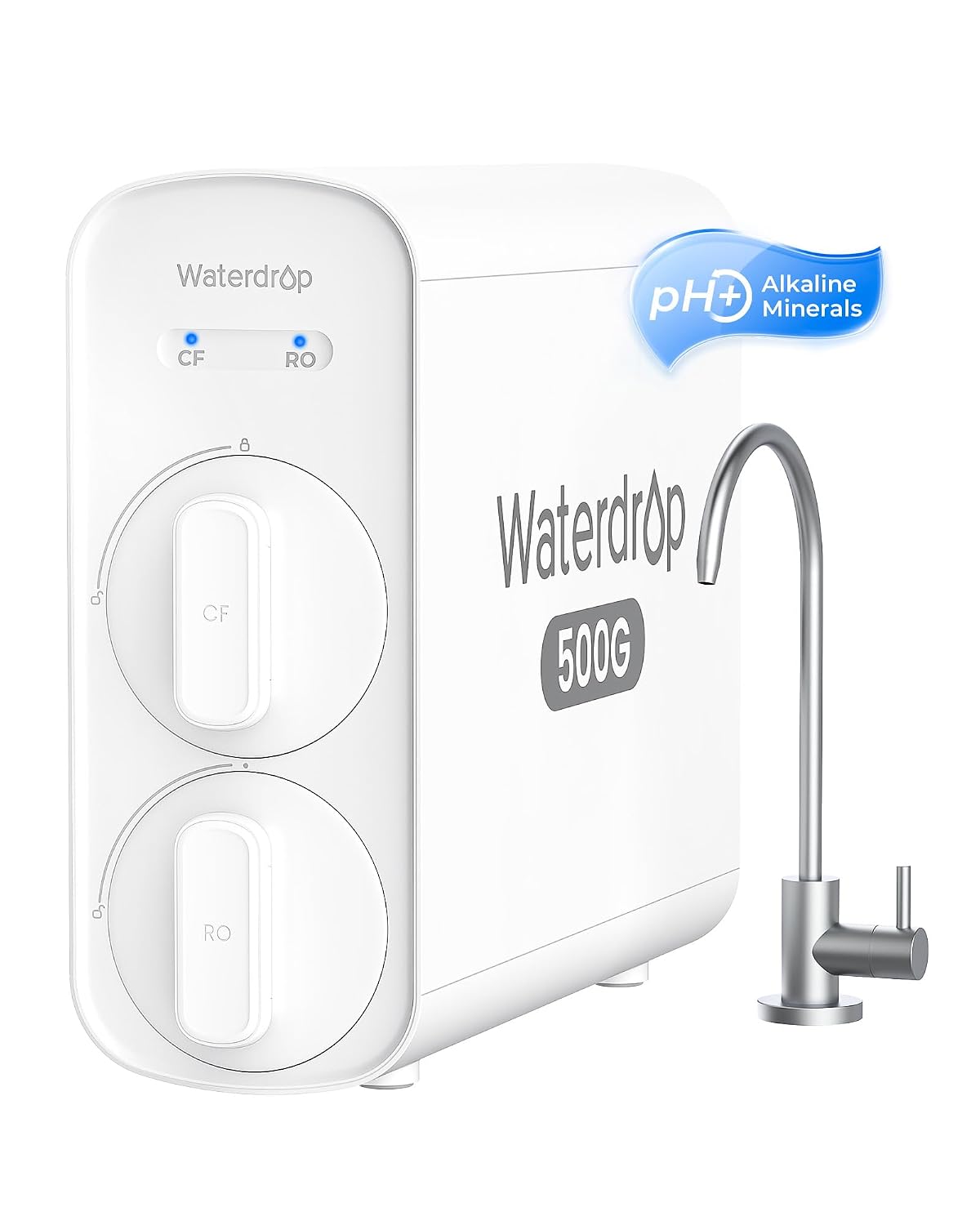
A compact 500 GPD RO system with mineralization and a simple mechanical faucet.
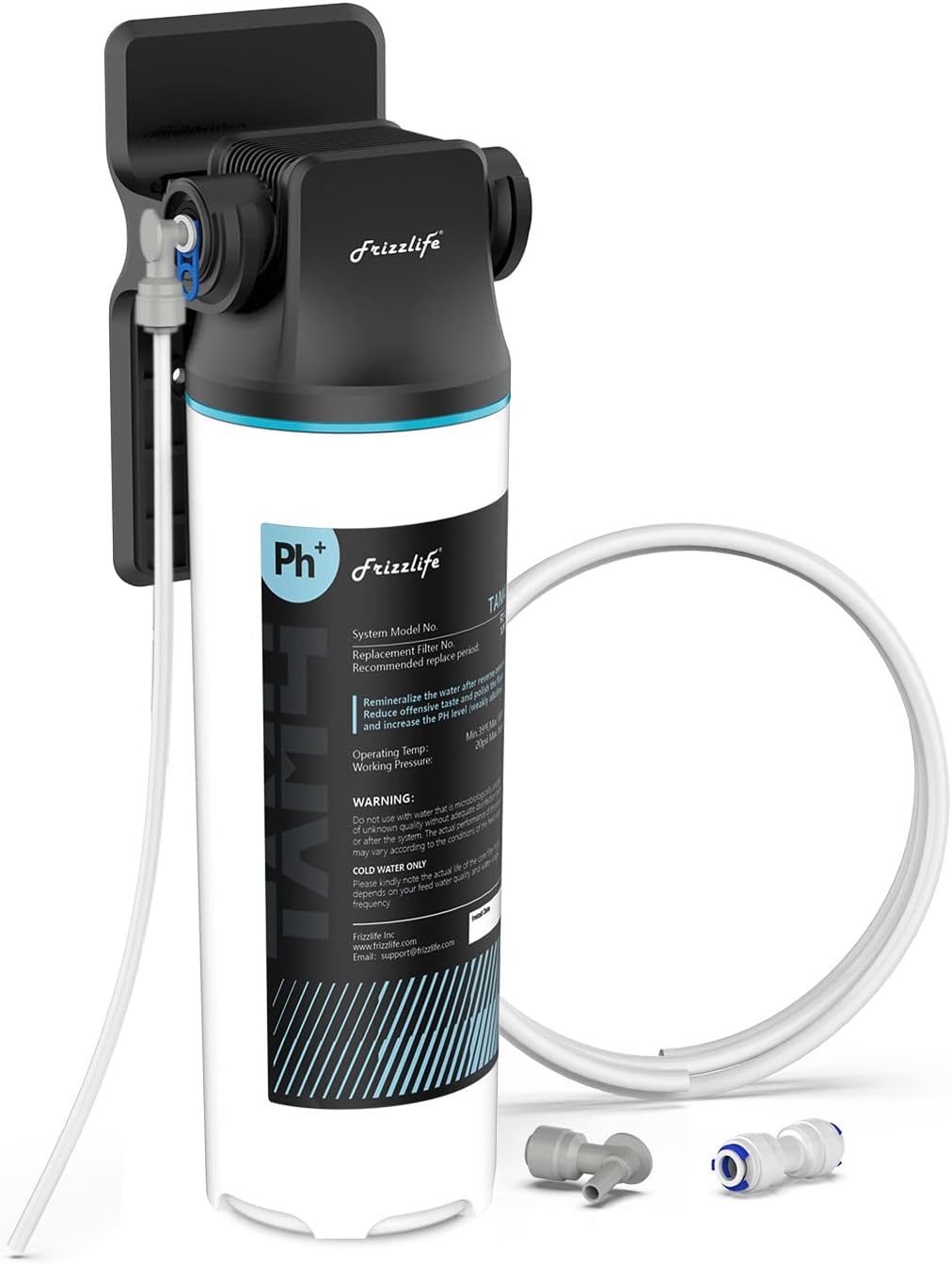
A final-stage mineralizer for compatible RO systems using 1/4-inch tubing.
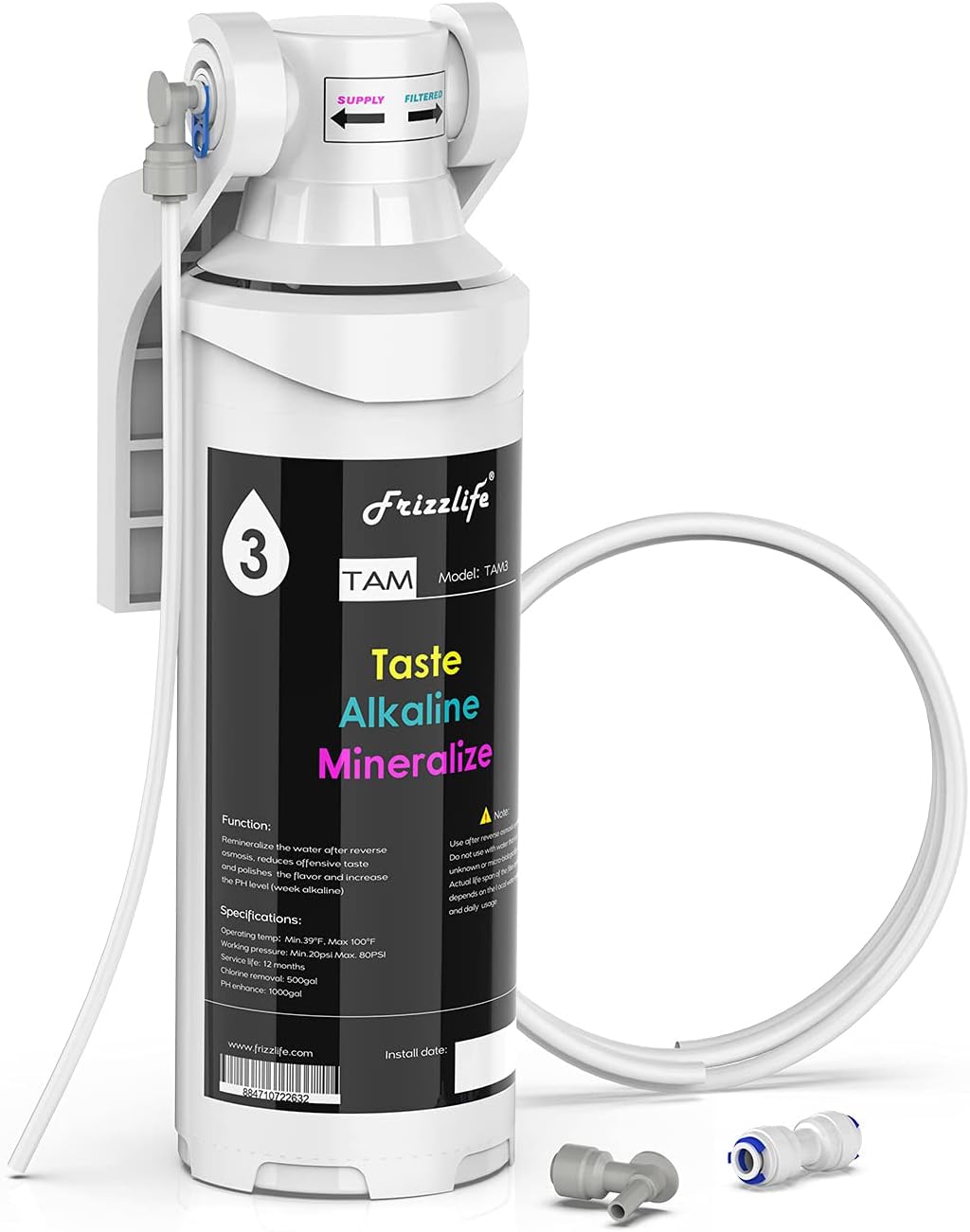
An inline mineralizer installed after a compatible reverse osmosis membrane.
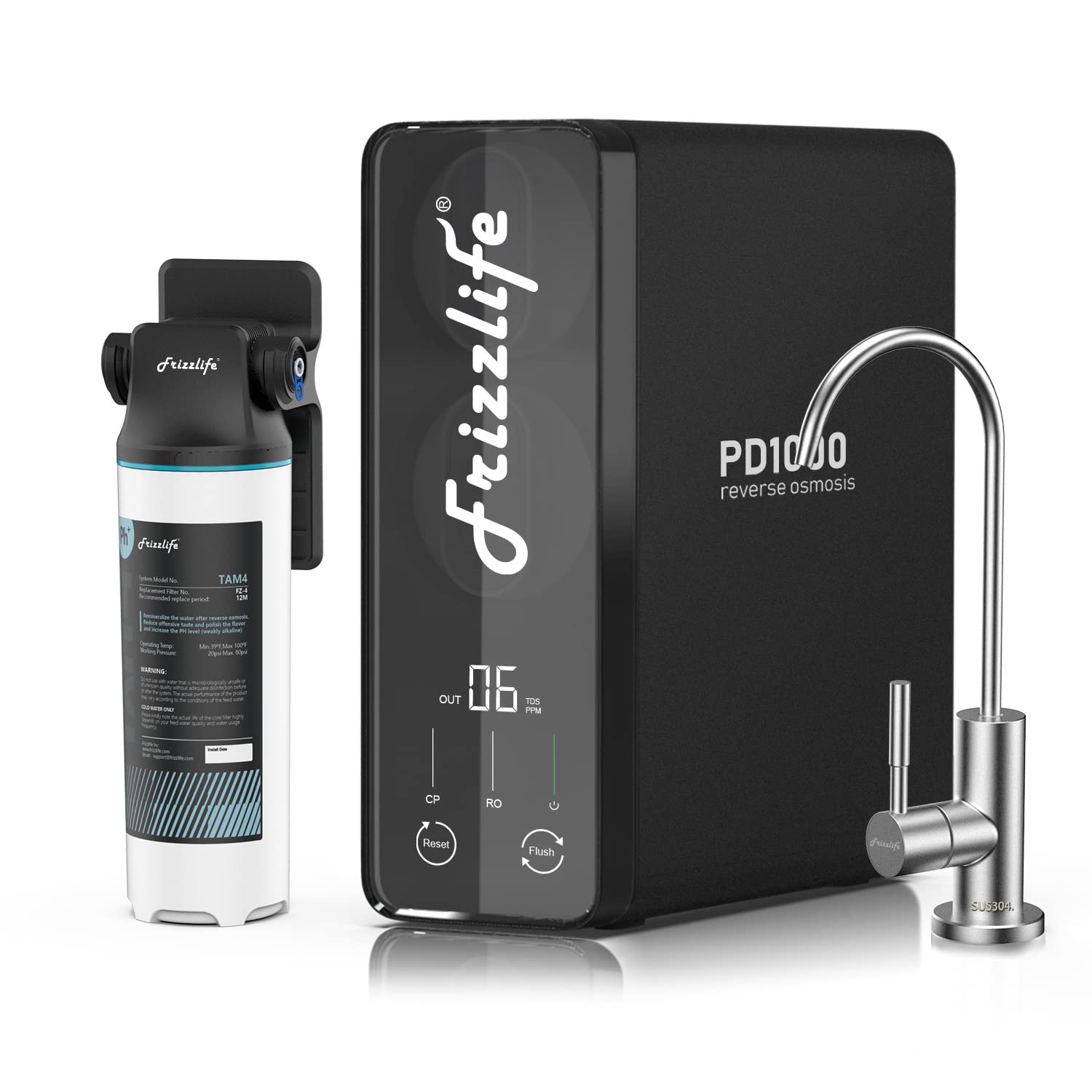
A 1,000 GPD reverse osmosis system paired with a TAM4 mineralizer.
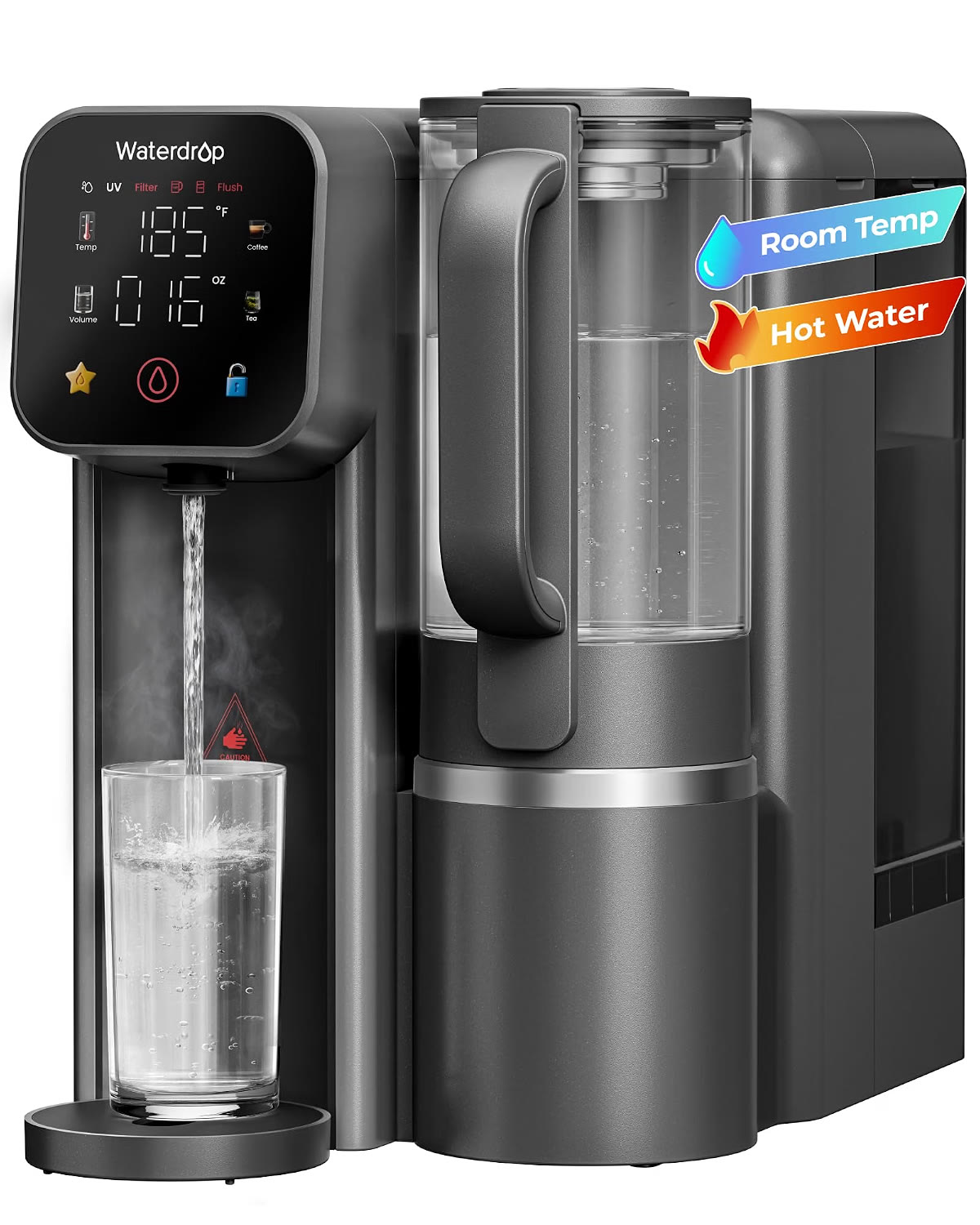
A countertop RO system with hot-water dispensing and no permanent plumbing.
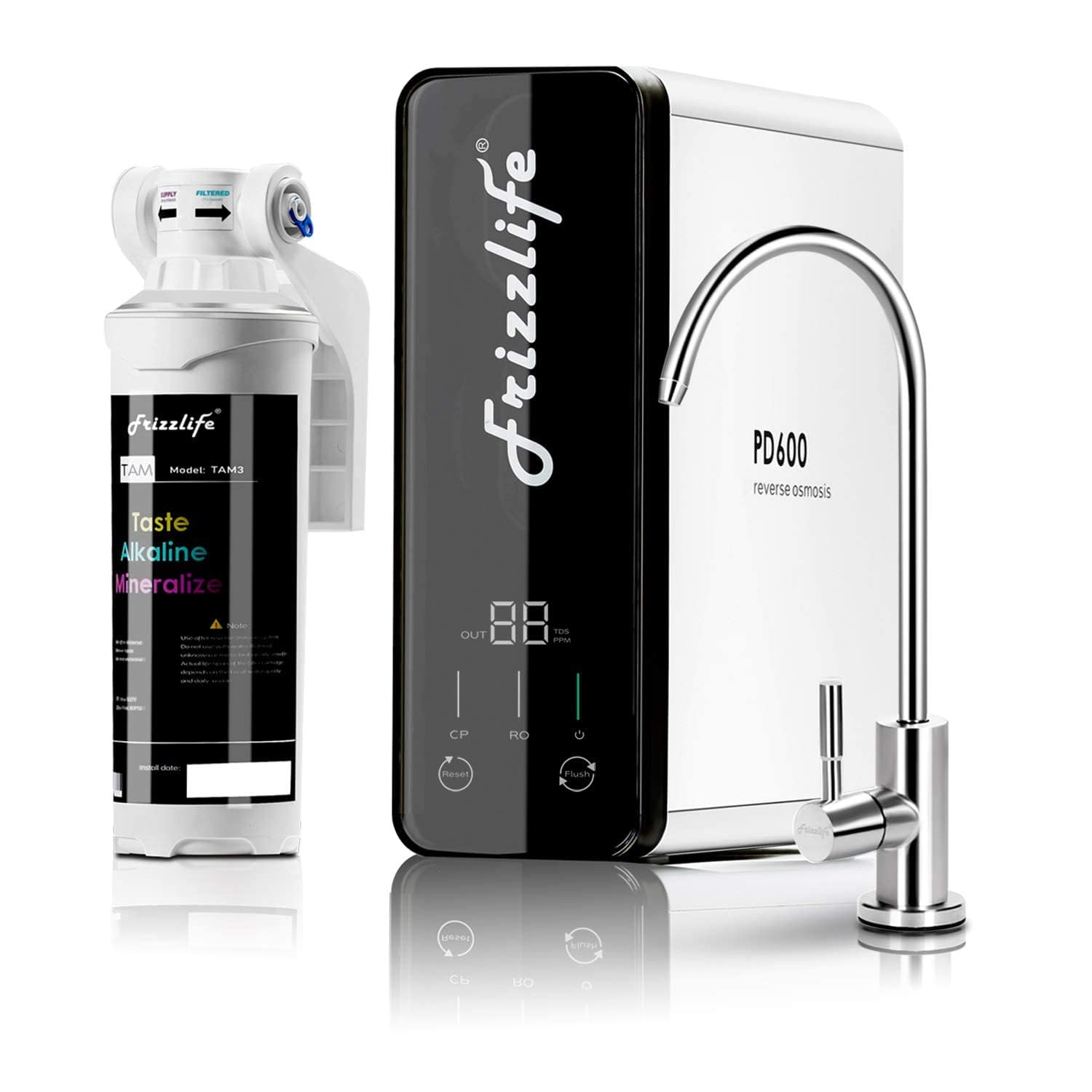
A compact 600 GPD reverse osmosis system paired with a TAM3 mineralizer.
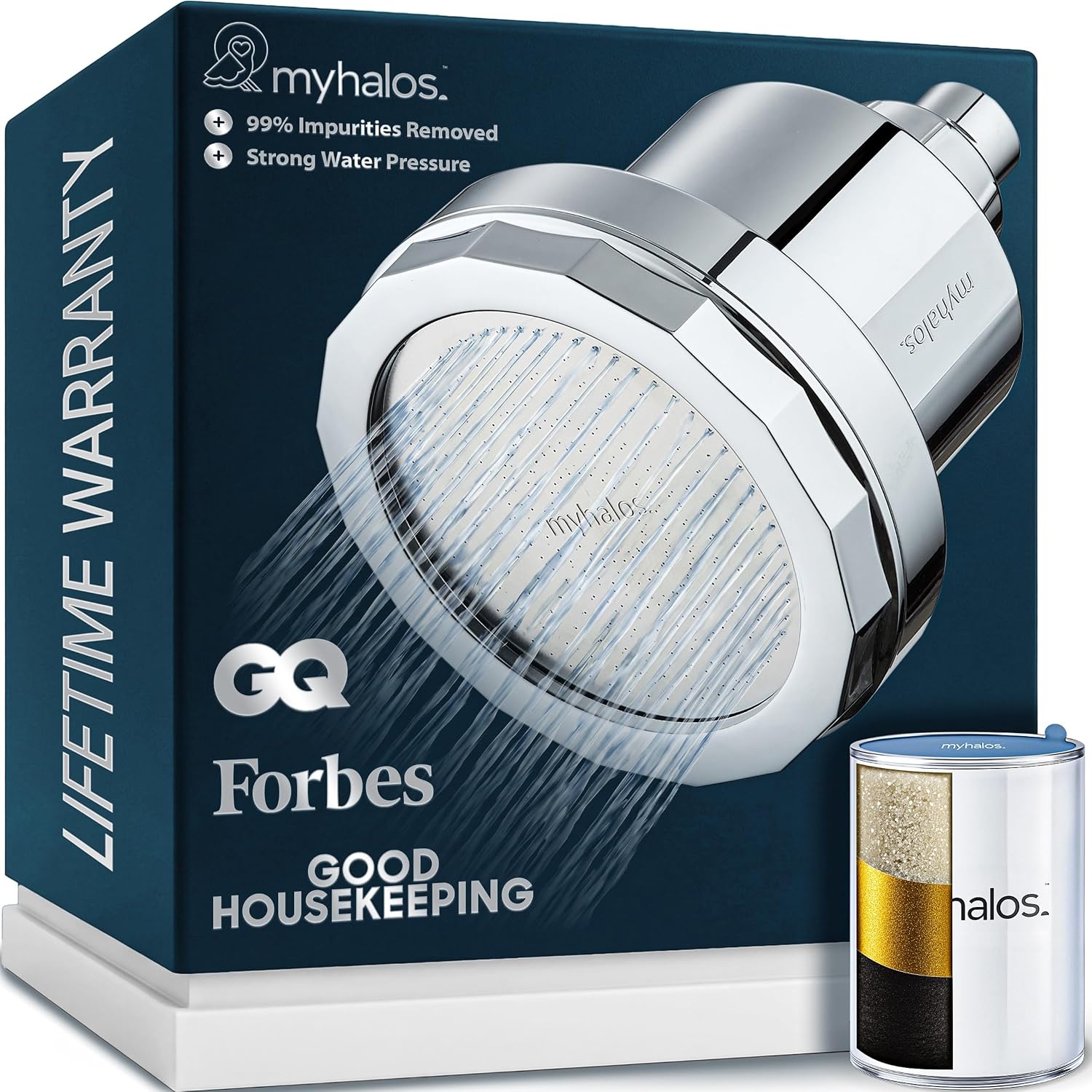
A shower head with a replaceable filter for utility water.
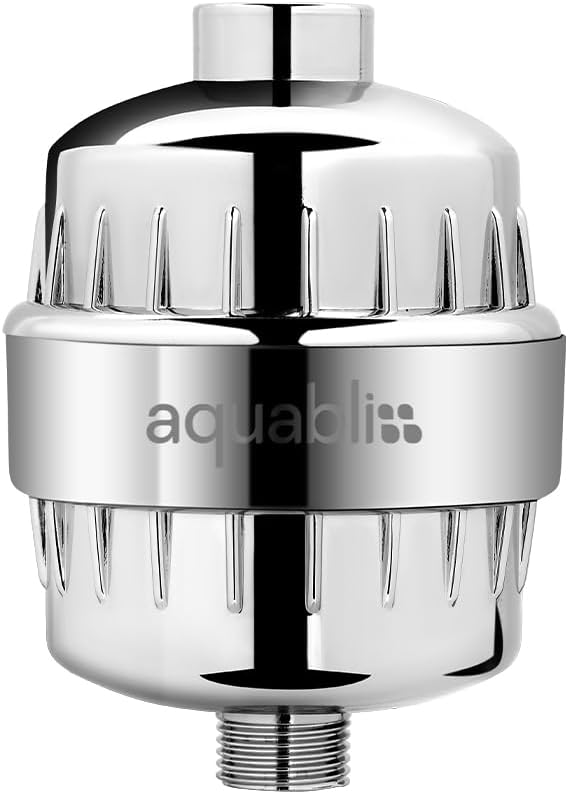
An inline shower filter installed between the shower arm and shower head.
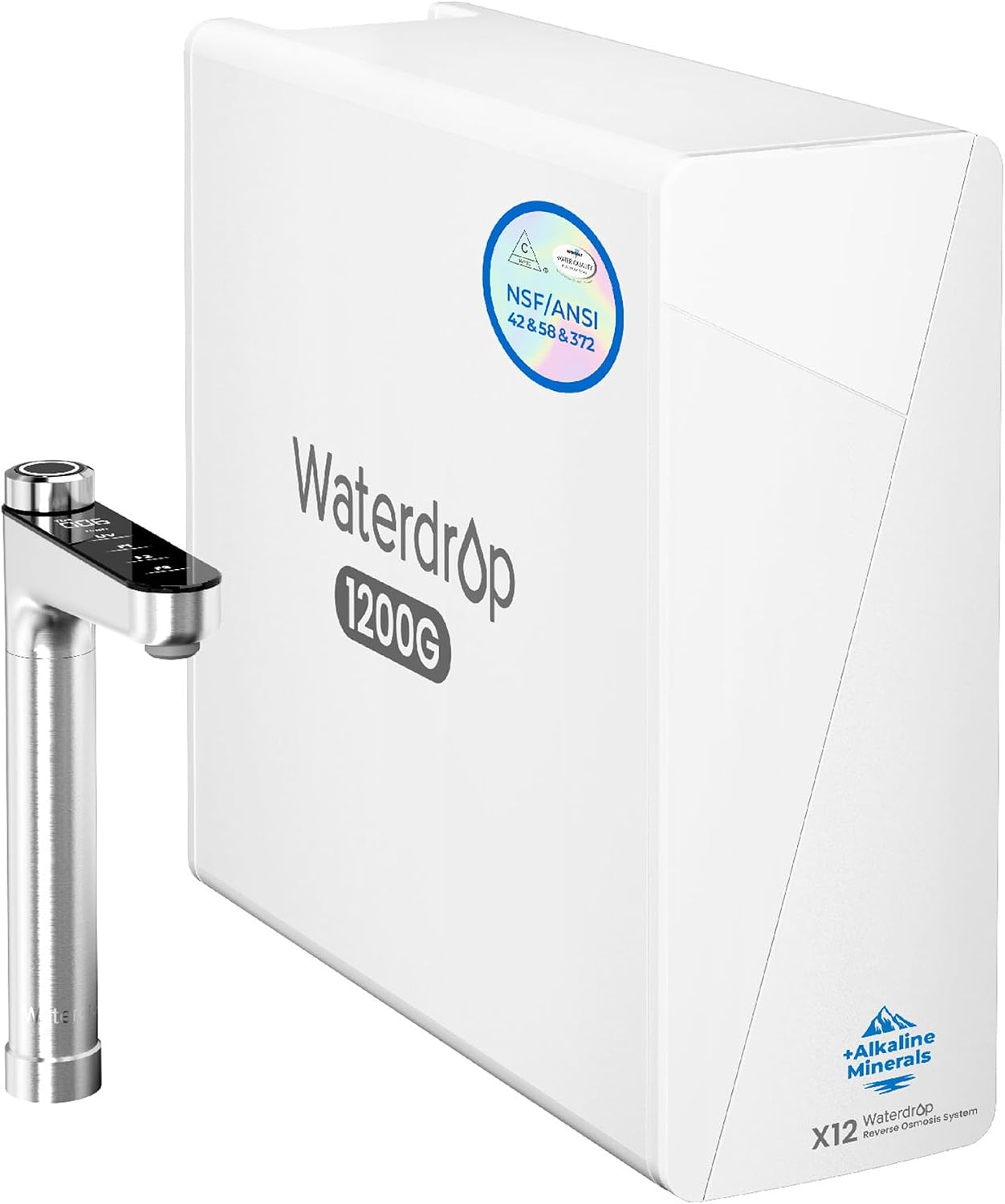
A 1,200 GPD under-sink RO system with a final mineralization stage and high flow.
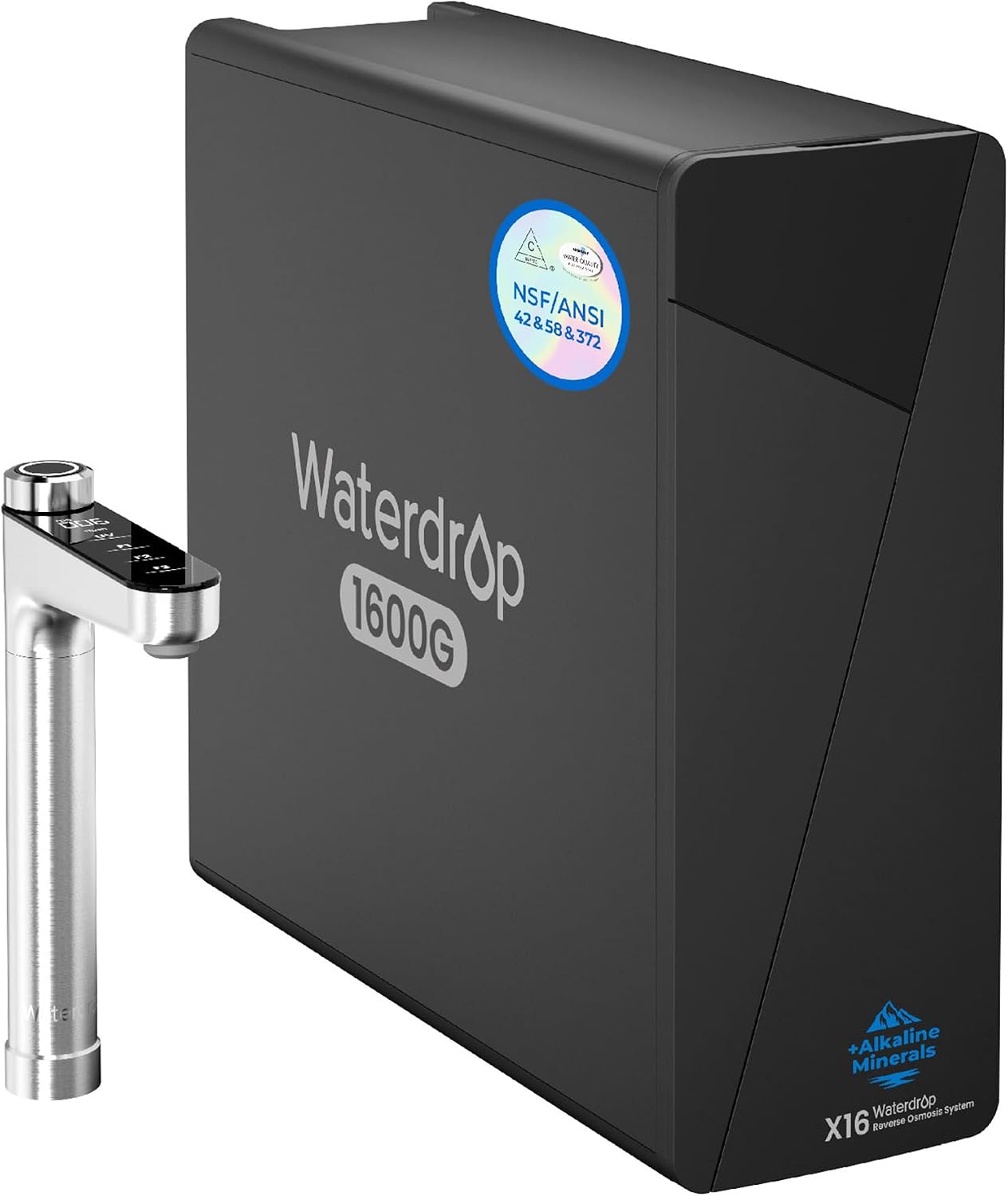
A 1,600 GPD tankless reverse osmosis system with mineralization and very high flow.
Start with a utility report or a laboratory water test. Choose treatment for contaminants that are actually present.
NSF/ANSI 58 covers reverse osmosis systems, but certification does not automatically include every contaminant. Verify the exact model and reduction claims.
Compare replacement filters, service, installation and reject-water use. Water-efficient RO systems reduce waste.
Find more answers in our reverse osmosis FAQ.
Check the local utility report or test your water. Then compare exact contaminant claims, model certification, rated GPD, reject-water use, replacement filters and installation.
An under-sink system saves counter space and usually provides more flow, but needs water and drain connections. A countertop system avoids drilling and suits rentals or offices.
GPD means gallons per day under test conditions. Higher ratings usually mean faster flow, while actual output depends on pressure, temperature and feed-water quality.
NSF/ANSI 58 covers reverse osmosis systems. The standard number alone does not prove reduction of every contaminant; check the exact model listing and claims.
No. A shower filter treats shower water. It does not produce drinking water like RO or remove whole-house hardness like an ion-exchange softener.
Choose installation type, household size, mineralization, budget and faucet preference. The finder returns a primary RO system, an alternative and an optional add-on. Answers stay on your device.
Start the finderSix answers narrow 17 systems and accessories by installation, household size, mineralization, budget and TDS faucet preference.
The result is a starting point. Before buying, check your water, installation conditions, exact-model certification and replacement-filter cost.